Illustration
Small design decisions that quietly change the entire experience.
A curated mix of patterns I return to often. Use them to improve clarity, consistency, and flow.
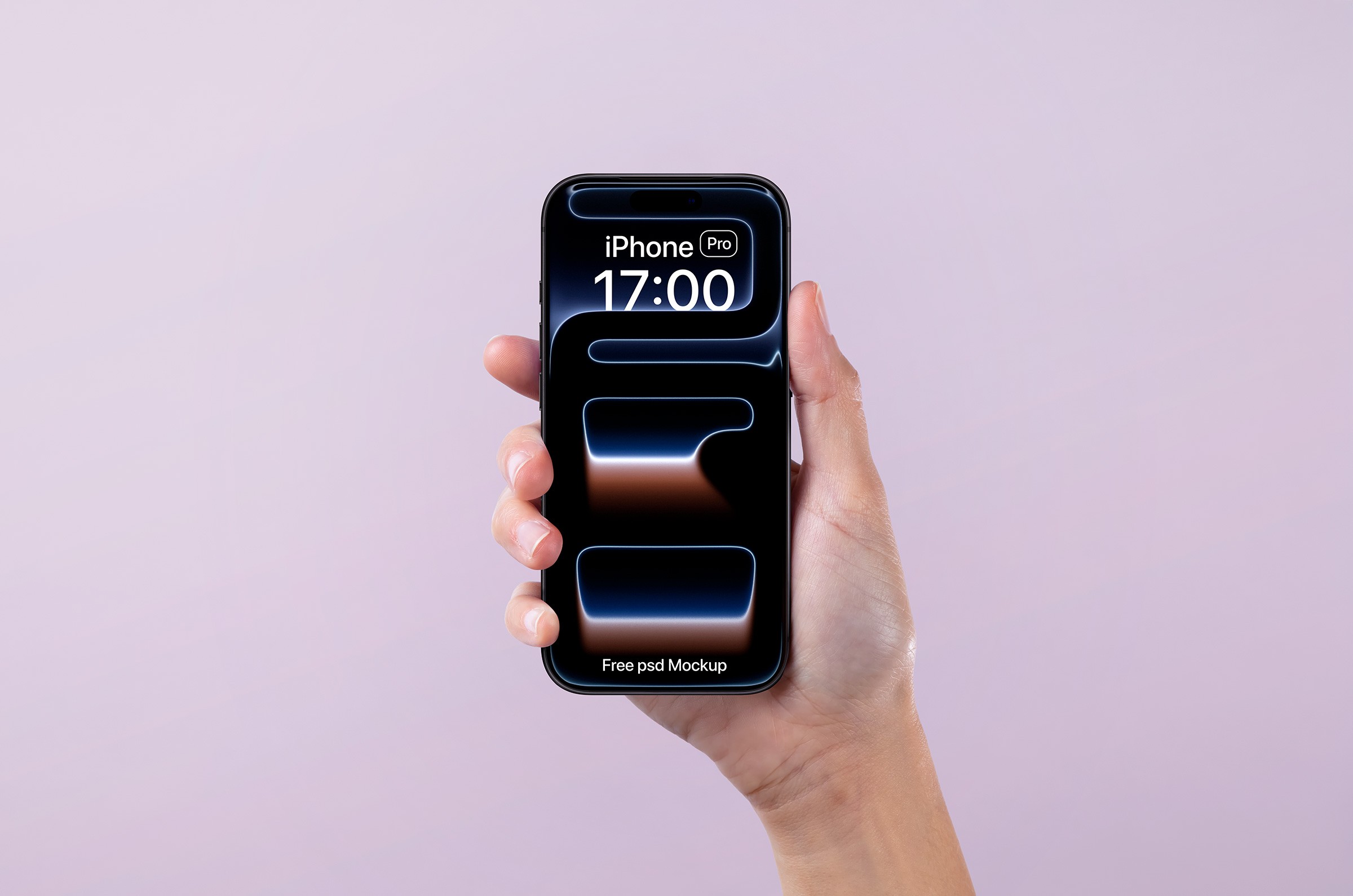
How thoughtful design transforms complex ideas into meaningful, user-focused experiences.
Purposeful design begins long before any visuals are created; it starts with understanding the needs, motivations, and frustrations of the people who will interact with the final product. By breaking down complex information into clear, digestible components, designers can guide users through experiences that feel intuitive and supportive. This approach ensures that every element—layout, color, spacing, and hierarchy—works together to deliver clarity and emotional connection rather than noise or confusion.
When ideas are shaped through research-driven insights and consistent refinement, they evolve into experiences that not only look polished but also function seamlessly in real-world scenarios. A thoughtful design process encourages collaboration, invites iteration, and ultimately produces solutions that resonate with audiences on a deeper level. This alignment between human needs and visual strategy is what allows modern brands to build trust, and stand out in increasingly crowded digital landscapes.
“From the very beginning the collaboration felt effortless. Every idea was carefully refined into something meaningful, and the final result was exactly what we hoped for.”

Daniel Foster
Startup Founder
Every project begins with a set of constraints—technical limitations, brand guidelines, business goals, or user expectations—and it’s within these boundaries that creativity truly flourishes. Designers examine problems from multiple angles, searching for patterns that reveal underlying opportunities. Through user research, prototyping, and testing, raw ideas start gaining structure and clarity. This process ensures that design decisions are not arbitrary but carefully crafted responses to actual needs.
Once insights are synthesized, they become the foundation for building systems that communicate with precision and purpose. Effective design does more than simply attract attention; it guides behavior, enhances usability, and strengthens the relationship between brand and audience. By approaching each challenge with curiosity and intention, designers create solutions that not only meet immediate project goals but also offer long-term value, scalability, and emotional resonance.
Revolutionise your checkout with new features.
A cohesive visual system is essential for brands that aim to communicate with authenticity and confidence across multiple platforms. When typography, color, spacing, and tone follow a unified logic, they give users a sense of familiarity and reliability. This consistency reduces cognitive load, allowing customers to focus on the message rather than deciphering the interface. Such systems also streamline creative workflows, ensuring that new assets feel aligned with the brand’s identity.
Over time, these frameworks become living structures that adapt and expand as the brand evolves. By grounding design decisions in strategy and user understanding, companies build foundations strong enough to support future campaigns, new products, and changing market demands. A well-developed system ultimately becomes more than a set of guidelines—it becomes a storytelling tool that strengthens recognition, elevates trust, and fuels long-term engagement.